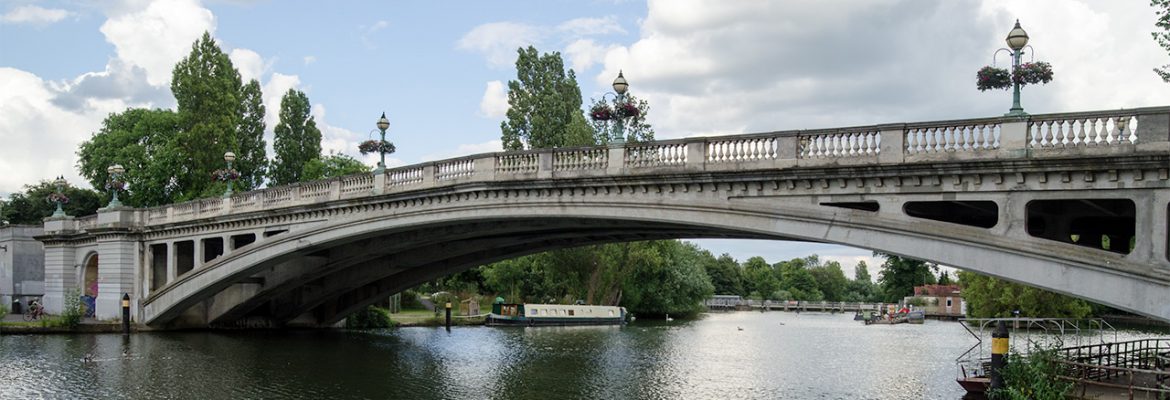
GPR bridge investigation
On bridges GPR can be used to map reinforcement, locate post-tensioned tendons, determine general construction detail, thickness of construction and much more…
On bridges GPR can be used to map reinforcement, locate post-tensioned tendons, determine general construction detail, thickness of construction and much more…
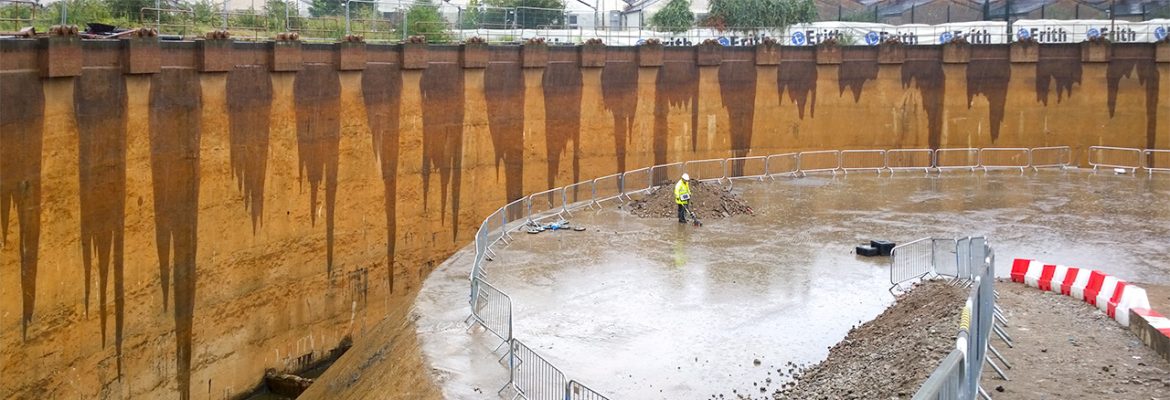
GPR case study: How we used GPR survey methods to determine the gas holder base thickness non-intrusively, with access to one side only.

Our GPR surveys provide a fast and efficient NDT means of surveying concrete floor slabs to determine construction detail and identify defects.

Our NDT GPR surveys can locate tendons, including their depth, in pre-stressed and post-tensioned concrete. Essential prior to cutting, coring or drilling.

Non-destructive concrete reinforcing bar location surveys using GPR. If you need a simple rebar location, we can mark up rebar positions on site.

High-resolution GPR rebar mapping, reinforcing steel location and concrete imaging surveys to depths of 400mm. Superior resolution to other methods.
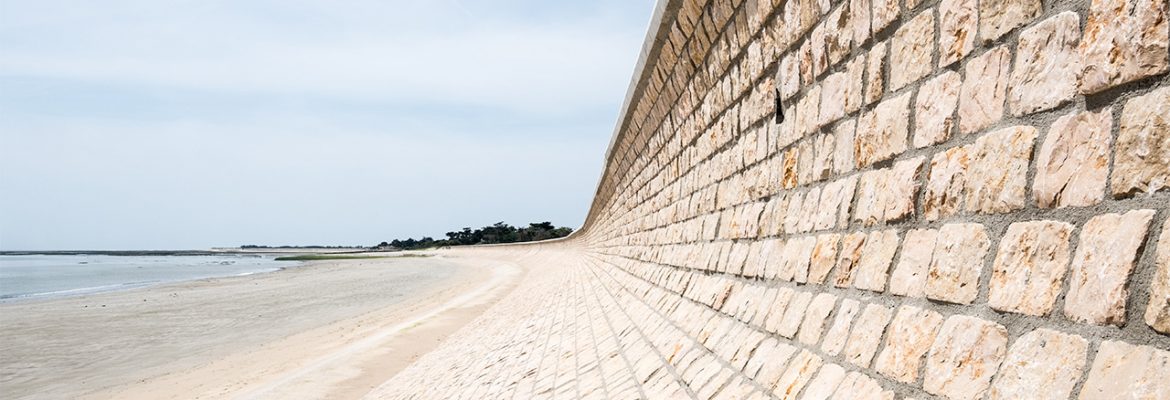
Our non-intrusive GPR surveys can determine retaining wall construction detail, thickness and identify defects. Access is only required to one side.

Non-intrusive surveys to provide slab thickness readings for concrete slabs, screed layers, bridge decks, road construction and more. Only one-sided access required.

“Locate concrete reinforcing steel before you find it with your drill bit, core barrel or saw! Work safe and avoid dangerous and costly hits”.

Concrete scanning covers a range of techniques to establish detail within concrete including rebar location, mapping and imaging, thickness and tendons.